Many of us believe that once we discern God’s call, the question is settled. We find our vocation, commit to it, and stay on that one road for the rest of our lives. But the word vocation comes from the Latin vocare—“to call.” A call is not something we hear once and then file away. It keeps sounding throughout our lives, sometimes leading us in directions we never anticipated.
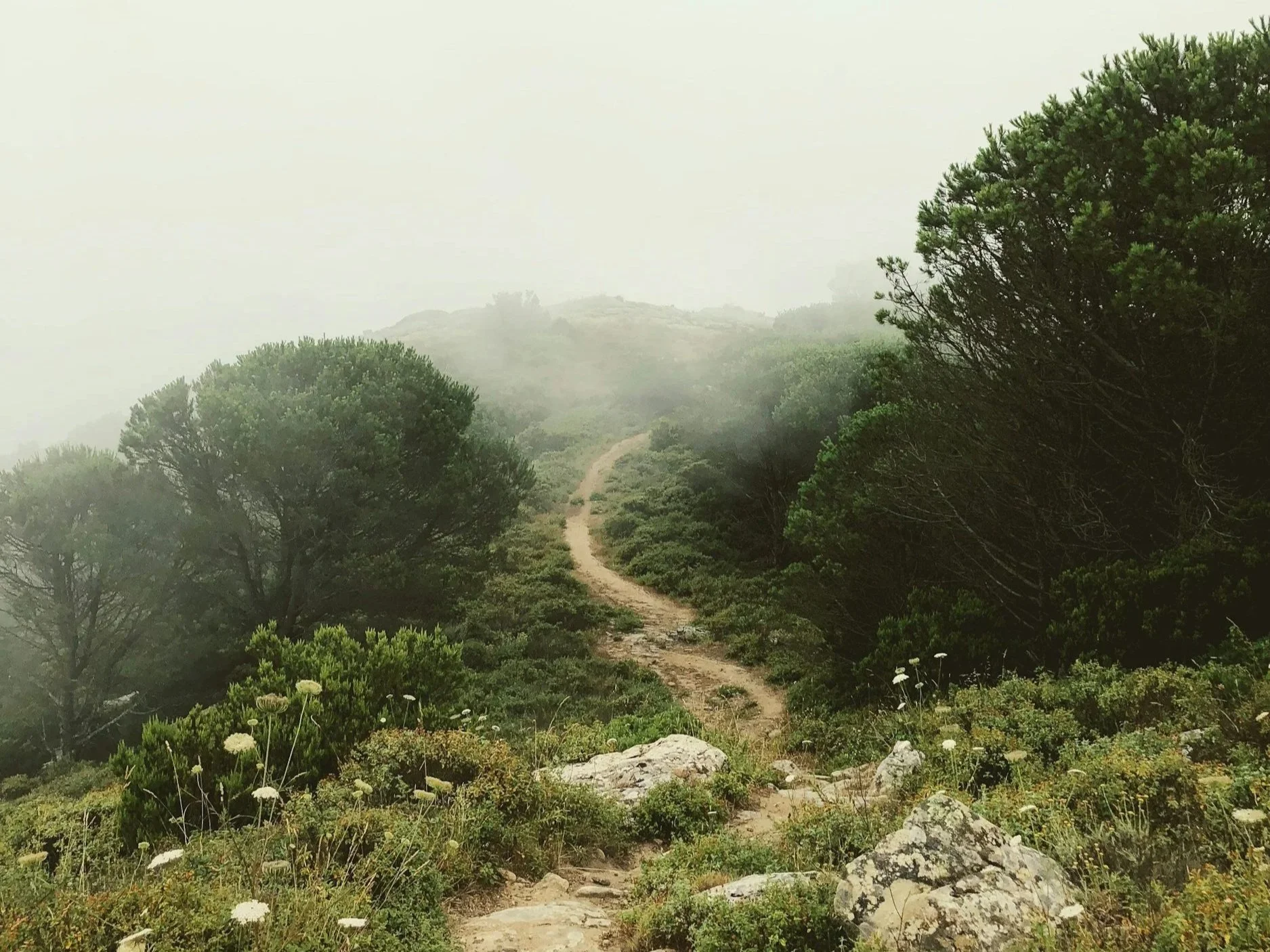
God tells Abraham to “go…to the land that I will show you” (Genesis 12:1), and Abraham sets out “not knowing where he was going” (Hebrews 11:8). Peter leaves his fishing nets to follow Jesus and is later sent to feed Christ’s sheep. Paul goes from persecuting the Church to helping build it. Each call is real from the beginning, yet each unfolds over time. God often shows us the next step—not the whole map.
Our primary vocation does not change: to follow Christ, to love God and neighbor, and to share in God’s reconciling work in the world. But our particular vocations—the roles, ministries, and places where we live out that call—can and do change. A change in role does not necessarily mean abandoning a calling. Sometimes it is the same call taking a new form. God is living and active. We are always growing. The needs of the world around us are changing. Why, then, would we expect the shape of our calling to remain frozen?
I know this from my own journey.
I began as a parish minister, thinking that was where I would spend the rest of my life. Five years later, my path changed. I spent 25 years in uniform as a military chaplain, 21 of them on active duty with the Army. I had the privilege of being present with soldiers—in combat and in peacetime—many of whom carried deep wounds, including moral injury.
Those experiences led me to Clinical Pastoral Education and to the study of trauma, eventually culminating in a PhD. And now, by God’s grace, I serve as Dean and President of Bexley Seabury Seminary—a call I honestly never imagined.
Each season prepared me for the next, often in ways I could only recognize looking back.
Sometimes a calling changes gradually. At other times, it changes suddenly and leads us somewhere we had never pictured. Jesus reminds us that the Spirit, like the wind, “blows where it chooses” (John 3:8). Being open to the Holy Spirit’s leading is not indecision. It is part of discernment.
That distinction matters, particularly for people considering seminary.
You do not have to arrive at seminary with your entire future mapped out. You may feel called to ordained ministry but still have questions about what that ministry will look like. You may feel drawn toward theological education without yet knowing precisely where it will lead. You may be a lay leader sensing that God is inviting you into something deeper, even if you cannot yet name it.
Those questions are not obstacles to formation. They can be part of it.
Discernment is not a one-time decision. It is an ongoing practice of listening—to God, to our communities, to our experiences, and to the needs around us. Over time, the question can shift from “What am I supposed to do with my life?” to “What might God be asking of me now?”
This is why formation matters.
The Church does not need leaders who believe they have everything figured out. It needs leaders who know how to listen, learn, reflect, adapt, and remain open to where the Spirit is leading. At Bexley Seabury, that is central to how we understand theological education: forming lay leaders, deacons, and priests who can discern God’s call in the places where they live and serve—and who can accompany others as they do the same.
Calling, then, is not the destination. It is an invitation to begin—to explore, learn, grow, be challenged, discover gifts we may not have recognized, and remain attentive to the Spirit’s leading.
My own path has taken me places I could never have predicted when I first answered God’s call. Perhaps that is part of the gift of vocation. We are not asked to know every turn before we begin.
We do not need the whole road map.
We need the courage to take the next faithful step, trusting that God goes with us.